Hydroxypropyl Methyl Cellulose (HPMC)
Hydroxypropyl Methyl Cellulose (HPMC) is a versatile cellulose ether used primarily in construction, coatings, and ceramics for its water retention, thickening, and adhesion properties. Celotech’s HPMC series, including grades like Celopro® MK, Celopro® ME, Celopro® VX, and modified Celopro® MT, offers tailored solutions for building materials by enhancing workability, setting, and durability. These grades are especially effective in cement-based mortars, tile adhesives, and joint compounds, delivering excellent stability even in varying environmental conditions.
Product Details
Academic Name: HPMC
CAS No.: 9004-65-3
Type: Chemical Auxiliary Agent
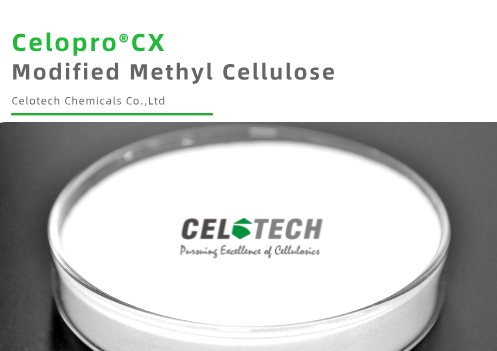
Appearance: white to off-white powder substance.
Features: water retention,thickening
Applications: wall putty,gypsum plaster,tile adhesive
Formula Modification: Support.
HS Code: 39123900
Viscosity Range: 300-75,000 m Pa.s (Brookfield,2% water solution)
The function of HPMC
1. In construction, HPMC acts as a water-retaining agent and retardant to enhance the plasticity, ductility and strength of mortar;
2. For detergents, it can increase consistency, water retention, surface and optimize detergent performance;
3. In plastic processing, HPMC acts as a release agent and lubricant to improve processing performance;
4. Used as a thickener, dispersant, and adhesive in textiles to enhance the softness, glassiness, dye coating strength, and washability of fibers.
HPMC-Celopro® Packaging
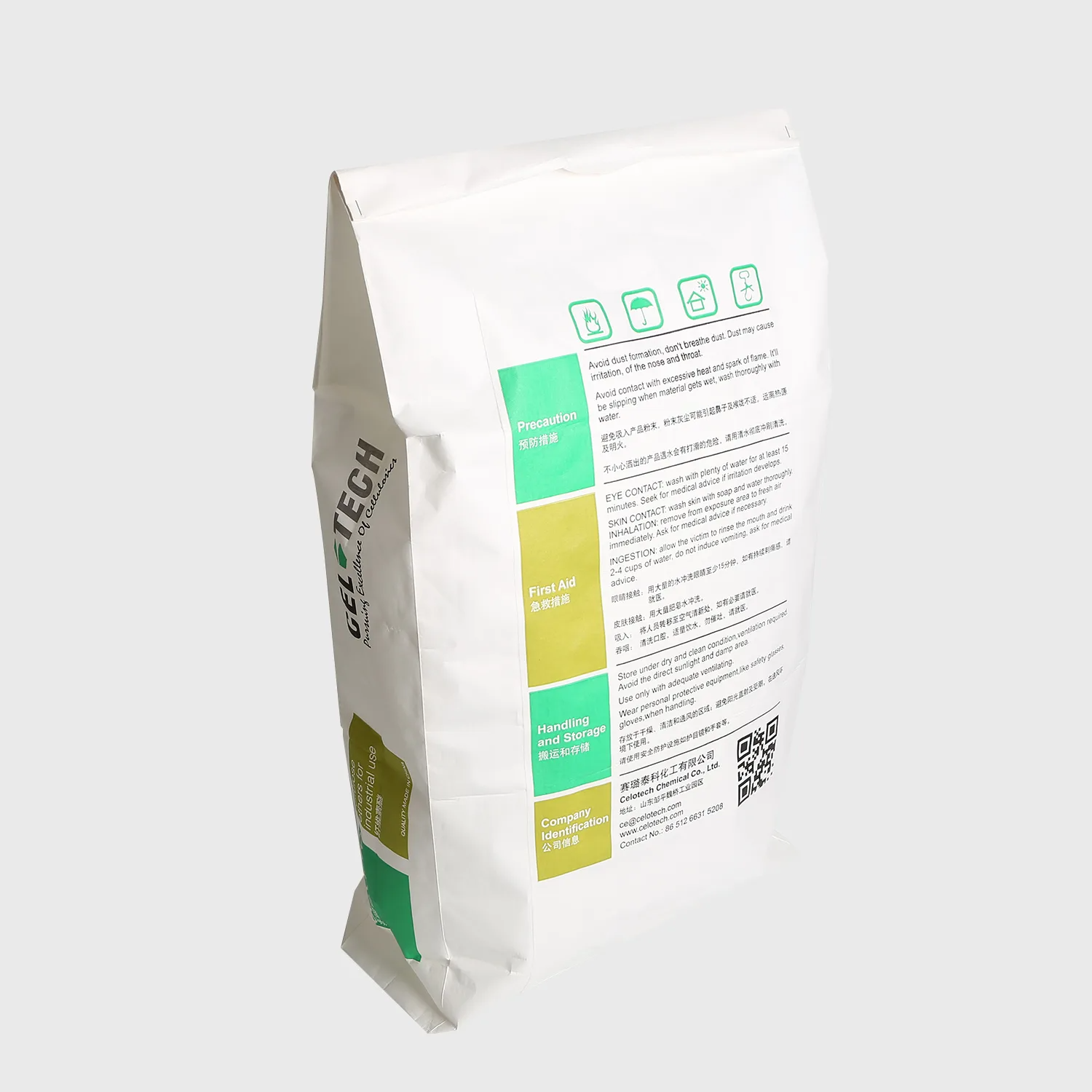
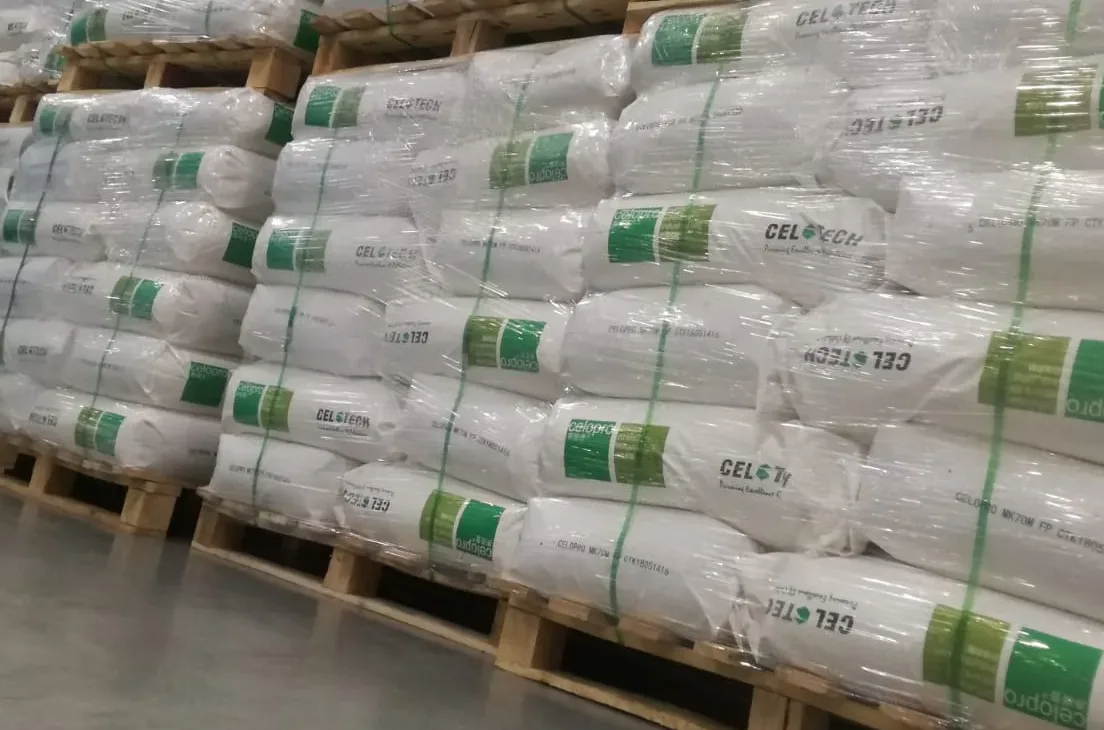
Use 25kg multi-layer paper bag packing, lined with polyethylene bag, recommended sealed storage, avoid moisture, avoid direct sunlight or near the fire source.
Related Products
Frequently Asked Questions
What are the performance characteristics of HEC?
Celopro® HEC has good thermal stability (below 140℃). HEC solution can form a transparent film and has non-ionic characteristics such as no interaction with ions and good compatibility.
What industries does HEC's application cover?
Celopro® HEC is widely used in fields such as paints, petroleum, construction, the daily chemical industry, polymer, and textile industry.