Modified Starch
Modified Starch
Modified starch ether is a modified starch derivative. On the basis of natural starch, it introduces new functional groups or changes the size of starch molecules and the properties of starch particles through physical, chemical or enzymatic treatment, thereby changing the natural properties of starch to meet specific industrial application needs. Modified starch ether can improve the performance of starch and expand its application range, such as changing its gelatinization temperature, thermal viscosity and freeze-thaw stability, gel strength, film-forming property, transparency, etc.
Prestar™ and Stargel™ can be widely used in interior wall putty, gypsum putty and wallpaper glue etc. so as to improve performance of product and reduce cost of production.
Product Details
Academic Name: Modified Starch
CAS No.: 9049-76-7
HS Code: 3505 1000
Bulk Density: 300-600g/l
pH: 7.0-10.0
Propoxy Content: 16%-22%
Type: Chemical Auxiliary Agent
Appearance: yellowish or white powder
Functions of Modified Starch
The production method of modified starch ether can be wet process, dry process, extrusion method, drum drying method, etc. The wet process is to disperse starch in water or other liquid media, prepare a suspension of a certain concentration, and react with chemical reagents under certain temperature conditions to produce modified starch. The dry process is to spray the reaction reagent onto the starch when the starch contains a small amount of water, and after sufficient mixing, react under certain conditions to obtain a dry product. It has the advantages of simple process, high reaction efficiency, low environmental pollution, and low production cost.
Due to its unique properties, modified starch ether is used as a thickener in building materials to increase the viscosity and water retention of mortar; in textile printing paste, it increases the viscosity and stability of the printing paste and improves the printing quality.
Starch-Prestar® & Stargel® Packaging
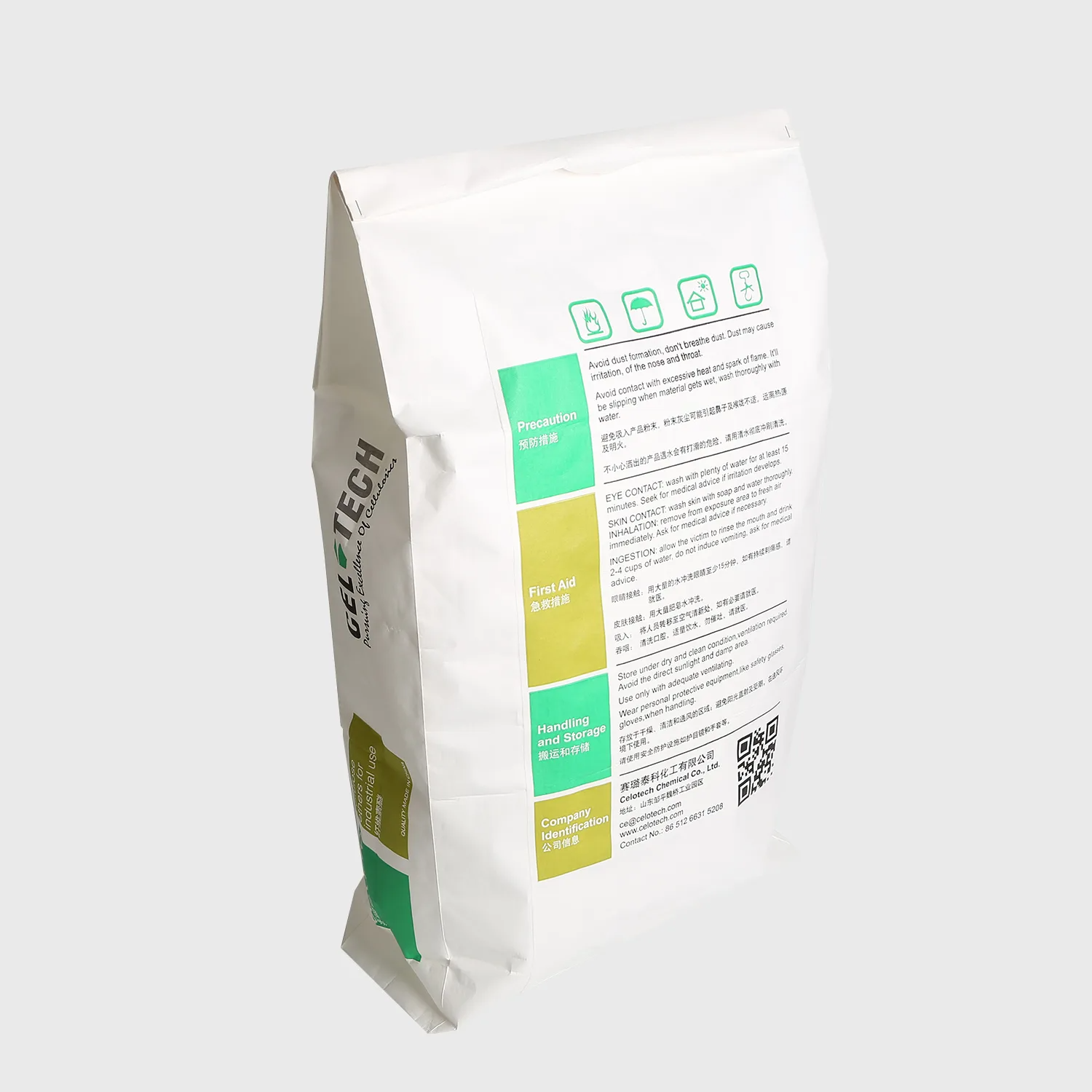
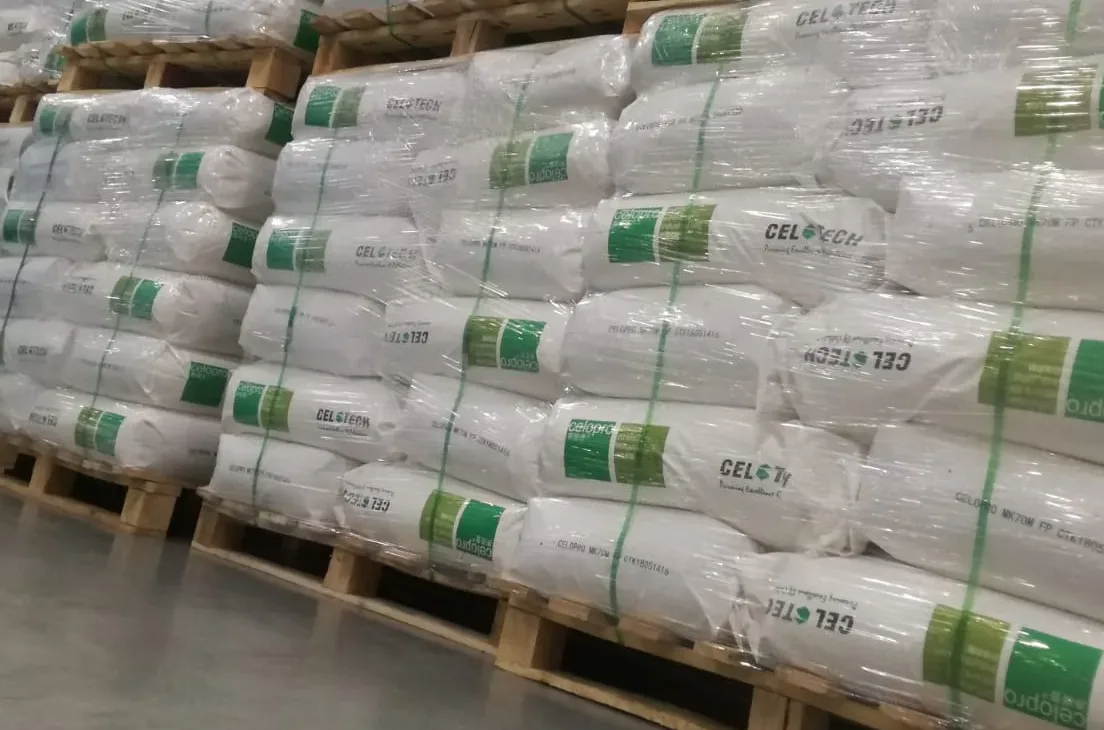
Use 25kg multi-layer paper bag packing, lined with polyethylene bag, recommended sealed storage, avoid moisture, avoid direct sunlight or near the fire source.
Related Products
Frequently Asked Questions
What are the performance characteristics of HEC?
Celopro® HEC has good thermal stability (below 140℃). HEC solution can form a transparent film and has non-ionic characteristics such as no interaction with ions and good compatibility.
What industries does HEC's application cover?
Celopro® HEC is widely used in fields such as paints, petroleum, construction, the daily chemical industry, polymer, and textile industry.